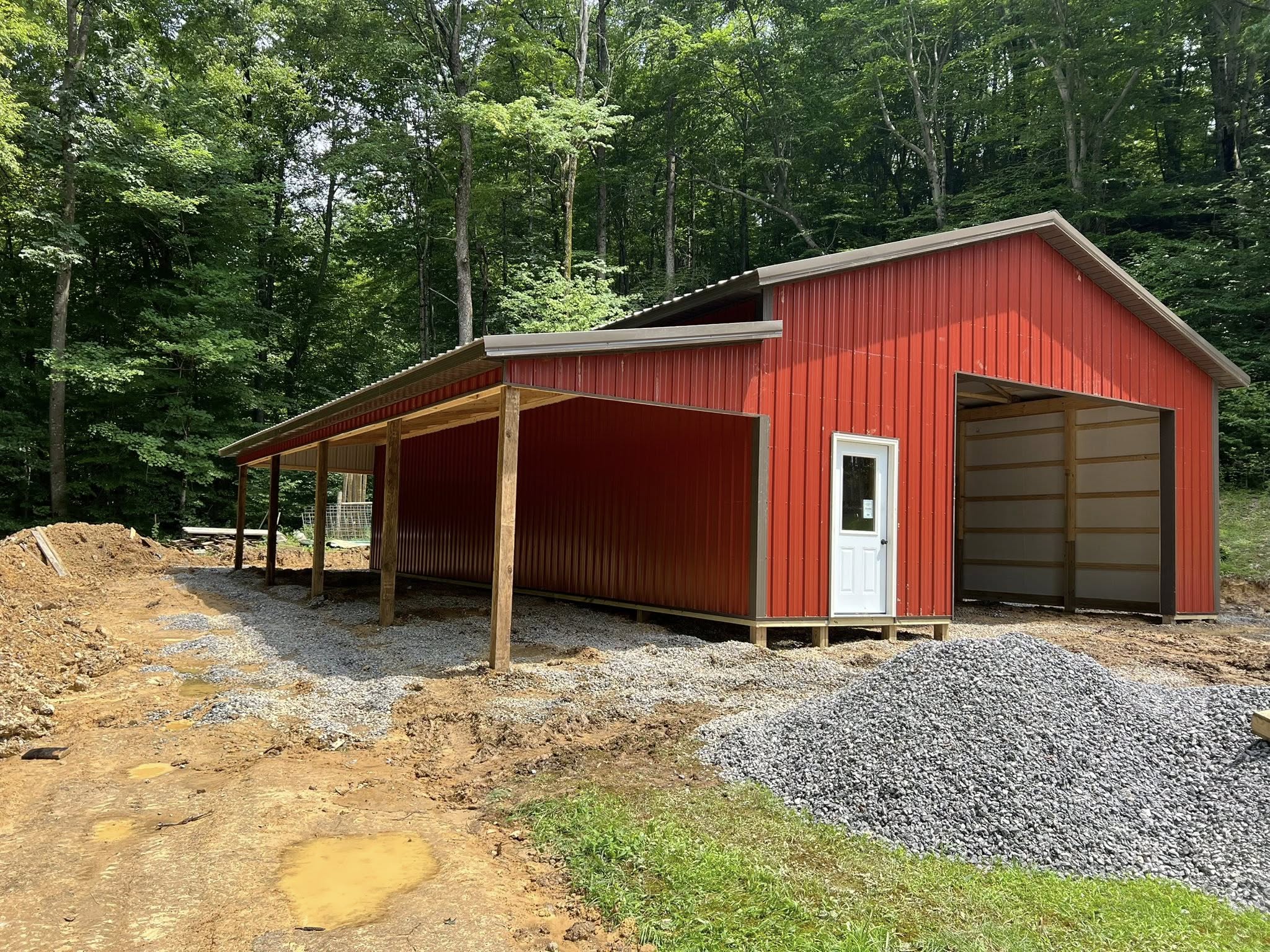
Beyond the Blueprint: Eastern Buildings’ Journey in Innovative Urban Planning Jan 04, 2026
The foundation of Eastern Buildings’ success lies in its commitment to integrating cutting-edge technology with thoughtful design. Urban planning today demands solutions that are not only economically viable but also environmentally conscious. Eastern Buildings embraces this challenge by leveraging smart city technologies and sustainable materials, ensuring that every project is both forward-thinking and responsible. By prioritizing green building practices, they minimize the environmental impact of new constructions, leaving a lighter footprint on the planet.
A key element of Eastern Buildings’ strategy is community-centric development. The company understands that successful urban planning must address the needs and well-being of the inhabitants. By engaging with communities from the outset, they gather valuable insights that inform the design process. This collaborative approach leads to the creation of spaces that are not only functional but also enhance the quality of life for residents. Public parks, mixed-use developments, and pedestrian-friendly zones are just a few examples of how Eastern Buildings integrates community needs into their blueprints.
Smart infrastructure is another innovation Eastern Buildings incorporates into their projects. With cities becoming increasingly populated, the demand for efficient and sustainable infrastructure is higher than ever. From energy-efficient buildings to advanced waste management systems, Eastern Buildings ensures that their constructions are equipped to handle the challenges of modern urban living. Additionally, the integration of renewable energy sources, such as solar panels and wind turbines, showcases their commitment to reducing reliance on fossil fuels.
The role of technology in urban planning cannot be overstated, and Eastern Buildings is adept at utilizing these advances to enhance their projects. Building Information Modeling (BIM) tools allow for precise planning and simulation, ensuring that potential issues are identified and addressed before construction begins. This not only saves time and resources but also ensures a smooth execution of the construction process. Moreover, intelligent building systems provide real-time data on energy usage and other metrics, enabling property managers to optimize performance continuously.
Eastern Buildings also places a strong emphasis on resilience. Urban areas must withstand natural and manmade challenges, and resilient construction is integral to this preparedness. By incorporating robust materials and engineering practices, they ensure that their buildings can endure the test of time and weather. This resilience translates into safer, more durable living and working spaces for city dwellers.
In conclusion, Eastern Buildings’ journey in innovative urban planning is a testament to their foresight and dedication to creating sustainable, livable urban environments. By combining technology, sustainability, and community engagement, they not only stay ahead in the industry but also set standards for others to follow. The evolution of urban planning is dynamic and complex, yet Eastern Buildings demonstrates that with the right approach, it is possible to create cities that are as functional as they are inspiring. As urban areas continue to grow, Eastern Buildings will undoubtedly remain a key player in shaping the cities of the future.
/filters:no_upscale()/filters:format(webp)/media/d7652275-2aab-4b14-b4a1-e73a47509b30.jpeg)