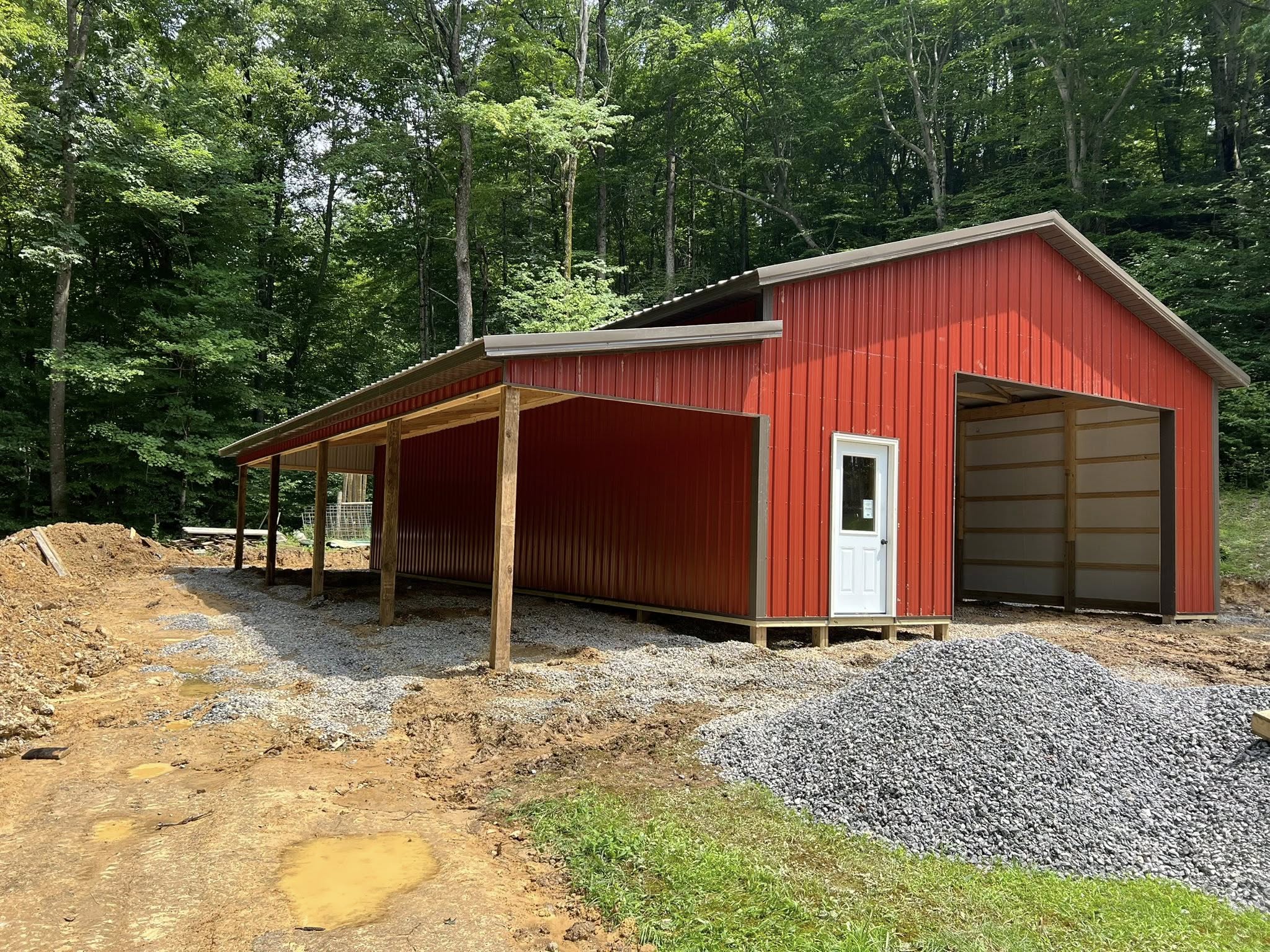
Urban Green Spaces: Eastern Buildings’ Techniques for Creating Lush City Oases Jul 06, 2026
Urban green spaces are increasingly recognized for their ability to mitigate the effects of city life, such as pollution and noise, while providing residents with opportunities to connect with nature. These spaces serve as vital areas for recreation, relaxation, and community gatherings. Eastern Buildings understands the profound impact that thoughtfully designed green spaces can have, not only environmentally but also socially and economically.
One of the key techniques utilized by Eastern Buildings in constructing vibrant green spaces is the integration of native plant species. By using plants that are indigenous to the area, Eastern Buildings ensures that the landscaping is sustainable and requires minimal maintenance. Native plants are better adapted to the local climate and soil, which means they are more resilient to local pests and diseases. This approach not only conserves water but also supports local biodiversity, encouraging the presence of native birds and insects, thus creating a balanced ecosystem.
In addition to incorporating native plants, Eastern Buildings focuses on utilizing vertical gardens to maximize green space in the urban environment. Vertical gardens are an innovative solution to space constraints common in cities. They enable the creation of impressive plant displays on building facades and even interior walls, significantly boosting air quality and providing thermal insulation. Vertical gardens are a visually stunning way to integrate greenery in densely populated areas, helping to reduce the urban heat island effect.
Eastern Buildings also champions the use of permeable paving in their urban green space projects. Permeable paving systems allow rainwater to percolate through the surface and soak into the ground, rather than running off into storm drains. This not only reduces the risk of flooding but also recharges groundwater supplies. The infiltration process helps in the filtering of pollutants from the water, thereby enhancing the overall urban water quality.
Furthermore, Eastern Buildings emphasizes the importance of community involvement and education in their green space projects. Engaging local communities in the planning and maintenance of these areas fosters a sense of ownership and responsibility. Community gardens and educational programs about sustainable practices are integral parts of the company’s approach. By educating the public, Eastern Buildings aims to inspire a broader commitment to environmental stewardship and sustainable urban living.
The urban green space initiatives by Eastern Buildings reflect a dedication to creating holistic solutions that address the complex challenges of urbanization. Their techniques not only create beautiful and functional green spaces but also set a standard for future urban developments.
In conclusion, the integration of sustainable techniques and community involvement by Eastern Buildings highlights the importance of collaboration in promoting greener, healthier cities. By focusing on creating lush city oases, Eastern Buildings not only enhances urban aesthetics but also significantly contributes to environmental sustainability and the well-being of urban residents. As more cities recognize the vital role of green spaces, Eastern Buildings is well-positioned to lead the way in sustainable urban development.
/filters:no_upscale()/filters:format(webp)/media/d7652275-2aab-4b14-b4a1-e73a47509b30.jpeg)